Know the real taste. Cook the practical way.
Learn why Japanese food tastes the way it does, then cook it the way a real home kitchen can actually sustain: keep the flavor, remove unnecessary work, and use practical pantry tools without pretending they are identical to traditional methods.
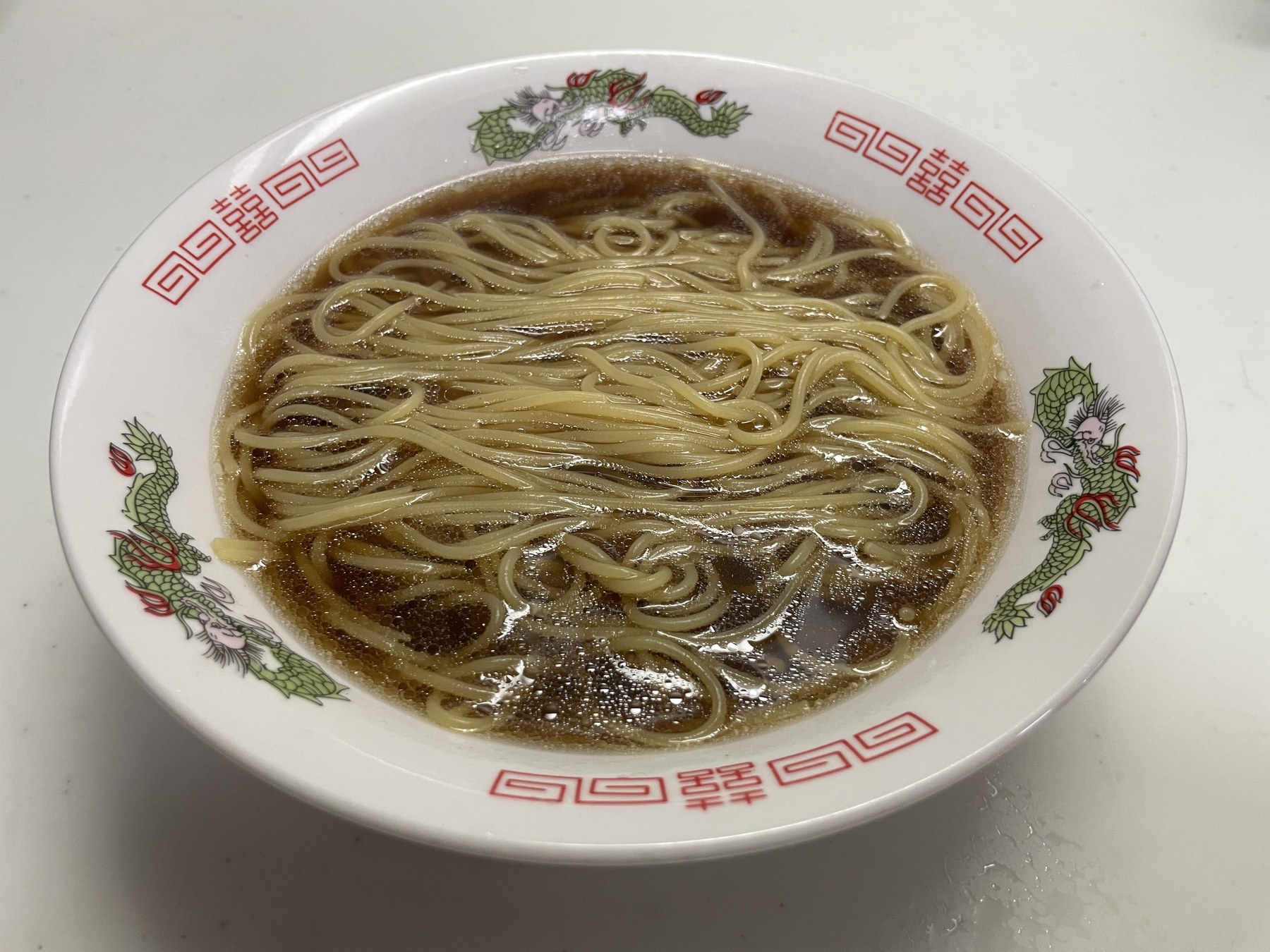
Japanese food is easier when the flavor has a map.
You do not need to memorize dozens of recipes first. Learn what gives Japanese food depth, then reuse the same logic across many meals.
Why umami matters
Understand the savory foundation instead of treating “umami” as a magic word.
Not a mysterious soup
Dashi is a way to extract and layer savory flavor, not a ritual you must perform every night.
Buy ingredients that earn their shelf space
Soy sauce, miso, dashi products and other staples should lead to many meals, not one recipe.
Remove work, not flavor
Hondashi, mentsuyu, shirodashi and curry roux can be practical tools when you know what they are doing.
Real + Practical.
Authentic Japanese food does not mean doing every step from scratch. The goal here is to understand the real flavor first, then make intelligent shortcuts that fit everyday life.
We remove unnecessary work, not the flavor.
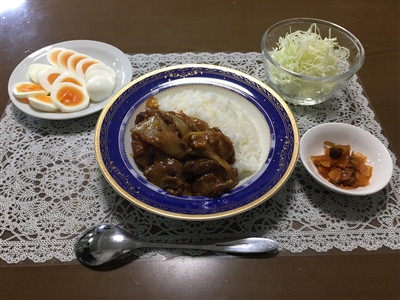
Start with food people actually make at home.
Curry, donburi, miso soup, teriyaki and noodles are useful because the same pantry and flavor logic repeat.
Basic Japanese Curry
Boxed curry roux is not something to apologize for. It is a practical home-cooking tool.

Oyakodon
Chicken, onion, egg and a sweet-savory dashi-seasoned broth over rice.
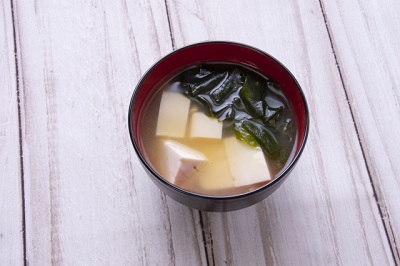
Miso Soup with Tofu and Wakame
A simple place to feel what dashi and miso each contribute.
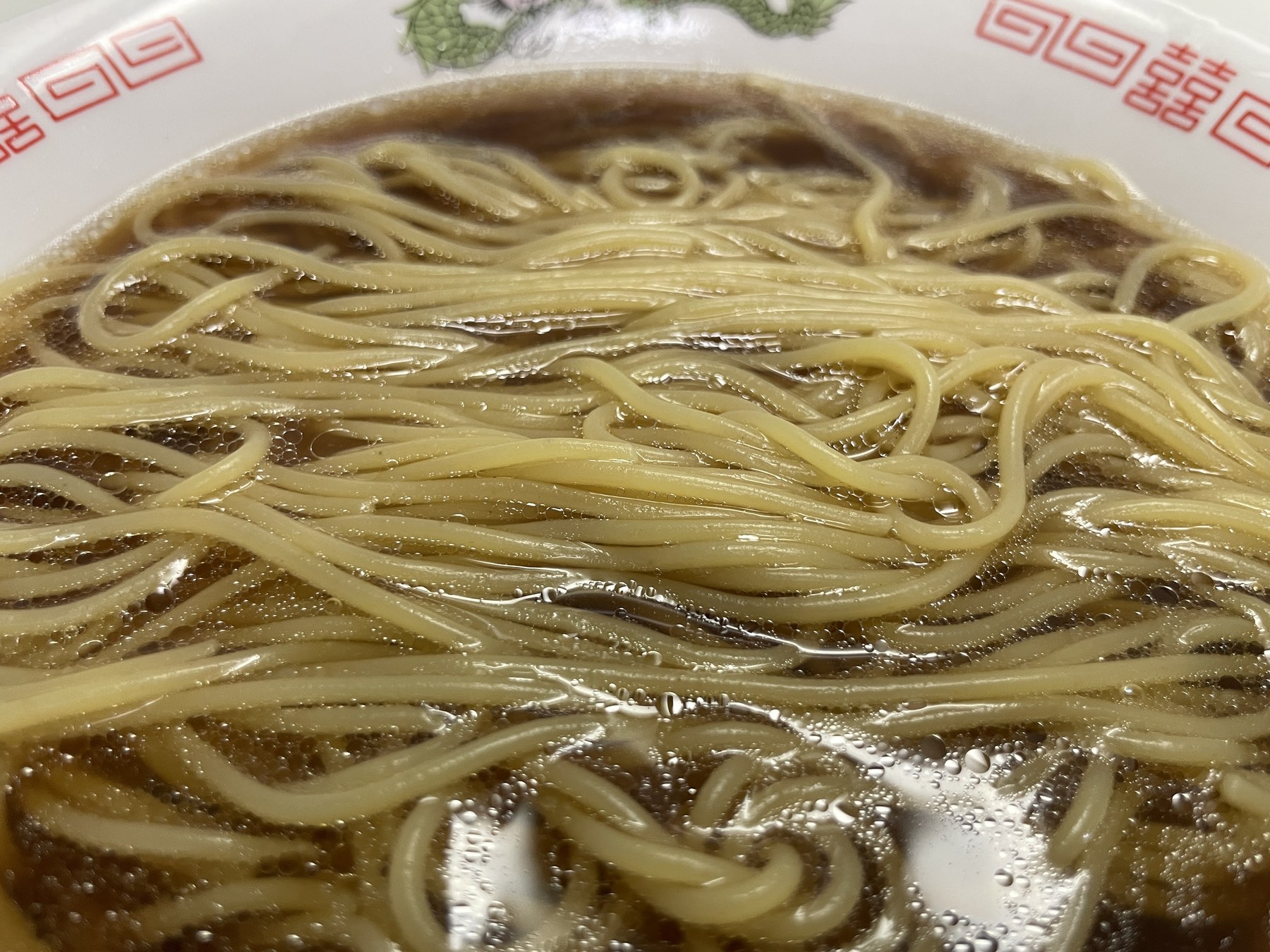
Ramen Anywhere
Ramen has its own beginner path: exact products, exact quantities, substitutions, visual success signs and failure recovery.
Make the Japanese ramen you crave, wherever you live.
If fresh ramen noodles or a Japanese supermarket are unavailable, the companion guide gives you a practical first bowl and a tested pasta-to-ramen workaround.

Mitsuhiro Eguchi
I write from an ordinary Japanese home kitchen. I keep the useful details from my own cooking—including substitutions, failed attempts and adjustments—because those are often what help another home cook succeed.
Meet the author