Japanese Pantry for Beginners: 4 Essentials + 2 Next Steps
Start with four practical products. Add sake and mirin when you move deeper into everyday Japanese home cooking.
You do not need a large Japanese pantry to start. Begin with four practical products used across the current WellBeingLifeJapan cooking paths: regular Kikkoman Soy Sauce, Hondashi, Japanese miso and Ajinomoto Marudori Gara Soup. Then add Japanese cooking sake or sake and mirin when you move into dishes such as gyudon, nikujaga and teriyaki. If alcoholic cooking products are difficult to buy where you live, start with the first four and add the next two later.

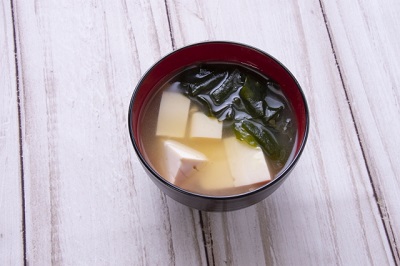
From my kitchen in Japan: I care more about whether an ingredient gets used again than whether a shelf looks impressive. Start with the dish you want to eat, buy what that dish needs, then reuse the same ingredient in the next meal.
Why 4 + 2 instead of one long shopping list?
The first four are a practical starting set for the current WellBeingLifeJapan cooking paths. Sake and mirin become especially useful as you move into rice bowls, simmered dishes and glazed dishes. Keeping them as the next step avoids telling a beginner to buy everything before they know what each ingredient does.
| First 4 — Regular soy sauce | A broad first bottle for savory seasoning, aroma and color. On this site it appears in gyudon, oyakodon, teriyaki, ramen and many other dishes. |
|---|---|
| First 4 — Hondashi | A practical bonito-dashi product for everyday dashi-based cooking. It is convenient, but it is not identical to freshly prepared traditional dashi. |
| First 4 — Miso | A fermented seasoning for miso soup, miso ramen and other miso-based dishes. |
| First 4 — Marudori Gara Soup | A chicken soup base used in the Ramen Anywhere beginner bowl and useful in other savory cooking. |
| Next step — Sake / cooking sake | Useful in dishes such as gyudon, nikujaga and teriyaki. Cooking sake products can differ, including whether salt has been added, so check the label. |
| Next step — Mirin | Adds sweetness, gloss and roundness in many simmered or glazed dishes. Hon-mirin and mirin-style seasonings are not automatically the same product. |
1. Regular Kikkoman Soy Sauce
If you want one broadly useful first bottle, regular Japanese soy sauce is the easiest place to begin. For this site, regular Kikkoman Soy Sauce is the benchmark product. Kikkoman describes its regular soy sauce as an all-purpose seasoning, and that matches how I use it across many different dishes.
2. Hondashi
Hondashi is useful when you want a quick bonito-dashi layer without extracting a separate stock every time. The important distinction is simple: learn what traditional dashi is, then decide when a convenience product makes sense for your everyday cooking.
3. Miso
Miso is not only for one bowl of soup. Start with a miso you can actually buy, learn its saltiness and flavor, and adjust when necessary because different miso products do not taste identical.
4. Ajinomoto Marudori Gara Soup
This is the chicken soup base used in the current Ramen Anywhere beginner benchmark. It gives a repeatable chicken-based foundation without requiring a long stock-making session for the first bowl. Ajinomoto also positions the product for soups, stir-fries and other savory dishes.
See the exact Ramen Anywhere benchmark
5. Sake or Japanese cooking sake — the next step
Sake becomes useful when you move beyond the first dishes into everyday Japanese seasoning liquids. On this site, the current gyudon, nikujaga and teriyaki chicken recipes use sake. It is not one of the first four because availability can vary by location and because you can begin cooking useful Japanese dishes before you buy it.
Check the label: Japanese sake and products sold as cooking sake are not always formulated the same way. Some cooking sake contains added salt, which can change how you season the rest of the dish.
6. Mirin — the next step
Mirin becomes especially useful in simmered and glazed dishes. It contributes sweetness, gloss and roundness. The current nikujaga and teriyaki chicken recipes on this site use mirin.
Do not assume every “mirin” product is identical. Hon-mirin and mirin-style seasonings can be different products. Use the product you can actually buy, read its label, and adjust the finished seasoning when necessary.
What should I buy first?
| I want miso soup | Start with miso + a dashi route such as Hondashi. |
|---|---|
| I want gyudon or nikujaga | Start with regular soy sauce + Hondashi, then add the recipe-specific mirin, sake and other ingredients. |
| I want teriyaki | Start with regular soy sauce, then use the other ingredients listed in the recipe. |
| I want ramen | For the fixed beginner shoyu route, start with Kikkoman Soy Sauce + Marudori Gara Soup, then follow Ramen Anywhere. |
Buy only when you have a reason
Disclosure: As an Amazon Associate I earn from qualifying purchases. Amazon links below are paid affiliate links.
The four benchmark products below are the easiest starting set for the current site. Sake and mirin are next-step ingredient categories for recipes that actually use them. You do not need to purchase all six at once.
No fixed Amazon price is shown because price and availability can change.
Generic ingredient links open Amazon.com search results rather than endorsing one exact brand. Check the label, ingredients and current availability before ordering.
Turn the same pantry into several meals
The next step is not another shopping list. It is using the same ingredients repeatedly.
See five meals from one small pantrySources and product notes
- Kikkoman: regular soy sauce product and usage overview
- Ajinomoto: Marudori Gara Soup product information

Mitsuhiro Eguchi
I cook and write from Japan. I use firsthand cooking, tasting, measurements, failures and adjustments to explain practical Japanese home food without pretending that one household represents every household in Japan.
About Mitsuhiro