Ramen Anywhere Companion
A practical first-bowl route for people who want Japanese ramen but do not necessarily have fresh ramen noodles, a ramen shop or a Japanese supermarket nearby.
For the beginner shoyu bowl, use one fixed route instead of choosing among alternatives. The current benchmark uses 1.4 mm dry pasta, Ajinomoto Marudori Gara Soup, regular Kikkoman Soy Sauce, AJI-NO-MOTO, lard and black pepper.
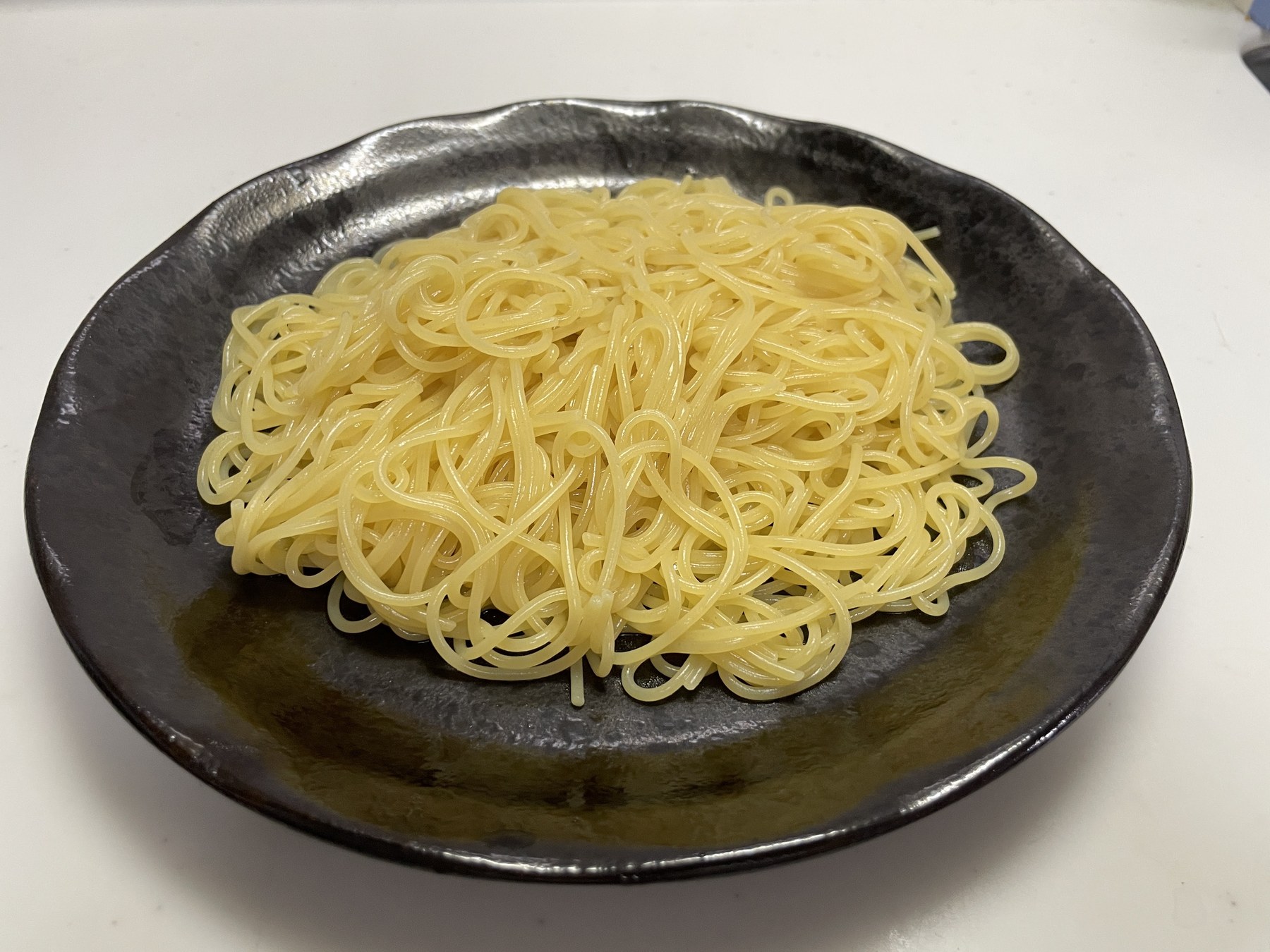
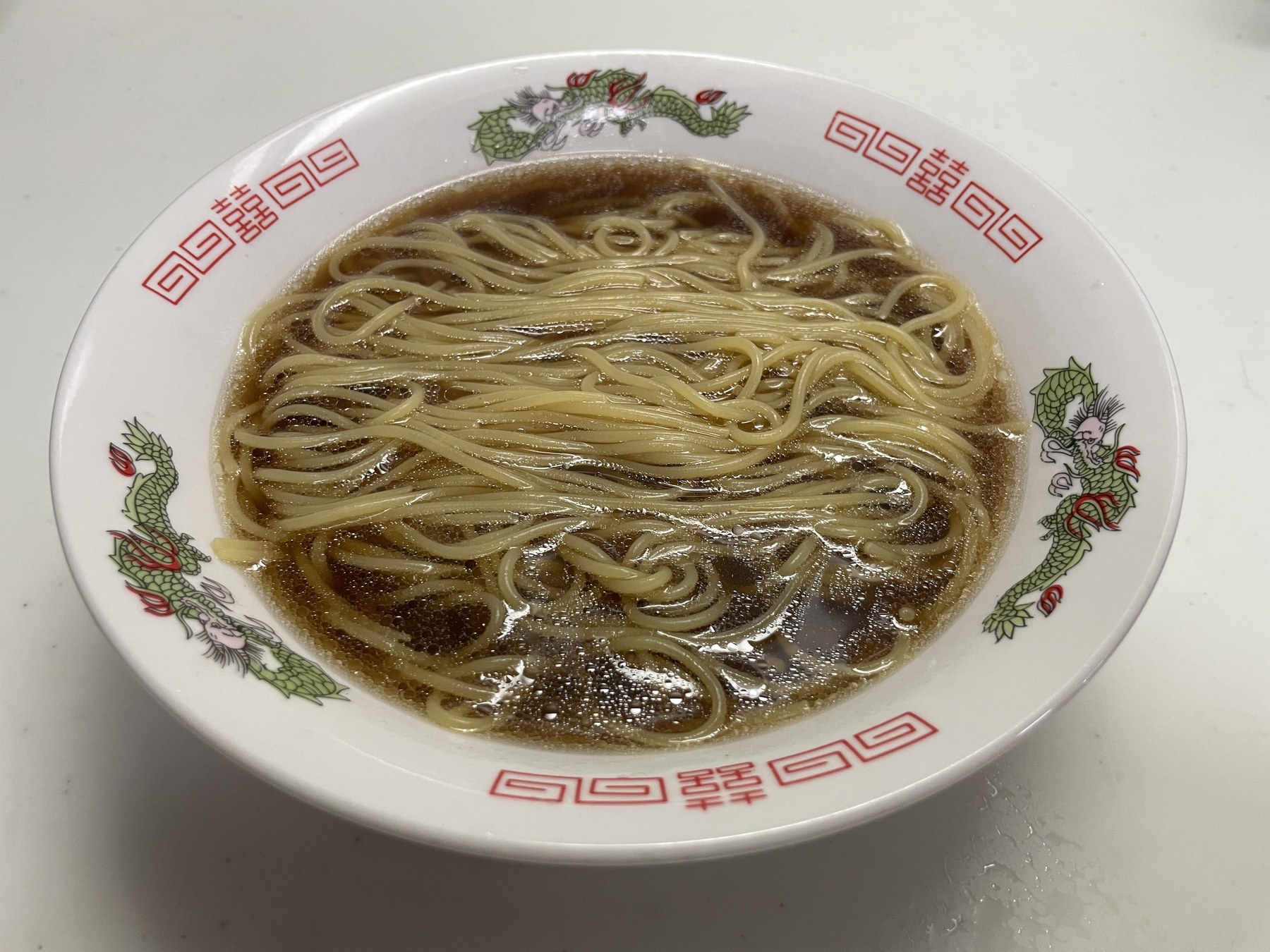
Current beginner benchmark
Noodles
Soup
Toppings: optional.
Add the 1.5 L cold water, 15 g baking soda and 10 g salt to a large pot. Stir to dissolve before you turn on the heat. Do not add baking soda to violently boiling water; it can foam suddenly.
Do not use an aluminum pot. Alkaline cooking water can attack aluminum and cause discoloration, surface damage or pitting. Use stainless steel or enameled cookware.
The noodle water can foam strongly while the pasta cooks. Stay beside the pot, use a large pot, and reduce the heat immediately if the foam rises toward the rim. Take normal precautions against burns and fire around boiling water and the stove.
One fixed path
- Put 1.5 L cold water, 15 g baking soda and 10 g salt in a large stainless-steel or enameled pot. Stir well, then turn on the heat.
- In a separate small saucepan, combine 300 mL water, 6 g Marudori Gara Soup, 15 g regular Kikkoman Soy Sauce, 1 g AJI-NO-MOTO and 5 g lard. Heat gently until steaming with small bubbles around the edge; do not let it violently boil.
- When the noodle water reaches a controlled boil, add 100 g of 1.4 mm pasta. Stir and cook for 7 minutes. Watch the foam continuously and lower the heat if it rises.
- Drain the noodles very well. Put them directly into the serving bowl.
- Pour in the hot soup, add 1 small pinch of black pepper, and serve immediately. Toppings are optional.
What I confirmed in my own cooking
When I cooked 1.4 mm pasta in alkaline water, the change was not just color. The noodles became yellow, softened, lost the familiar pasta-like bite, and developed the aroma I associate with ramen noodles.
The completed shoyu bowl tasted like a basic, old-fashioned Japanese soy-sauce ramen. That is exactly the kind of first success I want this route to deliver before a reader moves on to more complicated bowls.
Quick troubleshooting
| Foam rising fast | Reduce the heat immediately. Do not walk away from the pot. |
|---|---|
| Noodles too firm | Check that the pasta is actually 1.4 mm and that the 7-minute boil started after the water returned to a controlled boil. |
| Noodles too soft | Drain immediately at 7 minutes and do not leave them sitting in the hot cooking water. |
| Soup too strong | Add a small amount of hot water, then taste again. |
| Soup too weak | Before adding more soy sauce, check that the measured Marudori, lard and MSG were all included. |
The small pantry behind the bowl
The beginner route identifies specific products so the first attempt does not require guesswork. These are also useful outside ramen.
Disclosure: As an Amazon Associate I earn from qualifying purchases. Links below are paid affiliate links.
Level up later: W soup
In ramen, a W soup (double soup) can mean an animal-based broth and a seafood-based dashi prepared separately and then blended. Hondashi can be a simple way to experiment with a bonito layer, but it is not identical to preparing a separate fresh seafood dashi.