Dashi Is Not a Mysterious Japanese Soup
Dashi is a flavor foundation: water used to extract savory compounds from ingredients such as kombu, katsuobushi, niboshi or dried shiitake. It supports the dish instead of trying to dominate it.
Dashi is Japanese stock. Traditional forms commonly extract flavor from dried ingredients by soaking or brief heating rather than long bone-stock simmering. It is used beneath miso soup, simmered dishes, noodle broths, sauces and many other foods.
What dashi does
Kikkoman describes dashi as a fundamental Japanese stock made by extracting flavor from ingredients such as kombu, katsuobushi, dried sardines and shiitake. The Umami Information Center emphasizes that dashi often works by enhancing and harmonizing other ingredients rather than by tasting like a heavy soup on its own.
That distinction matters. If you taste dashi by itself and expect the richness of a long-cooked meat stock, you may think it is weak. Put it under miso, soy sauce, vegetables, noodles or simmered meat and its role becomes easier to understand.
Traditional dashi and practical dashi products are not the same thing
A freshly prepared kombu-and-katsuobushi dashi and a granulated dashi seasoning such as Hondashi are different products and experiences. I do not treat them as interchangeable in an explanation of traditional technique.
But a practical product can still be useful. Ajinomoto describes HONDASHI as a quick, simple bonito-based dashi product intended for a wide variety of Japanese dishes. That makes it a reasonable home-kitchen tool when you understand the role you are asking it to play.
Learn the real dashi once. Then choose the practical route on purpose.
The important thing is not performing a ritual every night. The important thing is being able to recognize what dashi contributes so you can judge a shortcut intelligently.
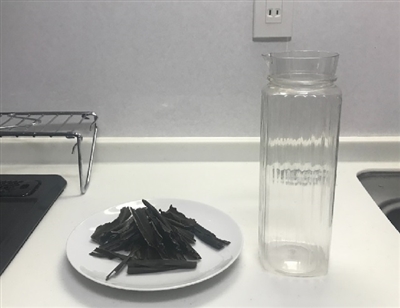
Try a very simple traditional route
If you want to isolate the taste of kombu before using any granulated product, try the site’s cold-infused kombu dashi. It is deliberately separate from the chicken ramen broth method; do not merge the two procedures.