Which Soy Sauce Should I Buy for Japanese Cooking?
Start with one reliable regular Japanese soy sauce, learn what it does, and reuse it before buying specialty bottles.
For the recipes on this site, regular Kikkoman Soy Sauce is a sensible first benchmark bottle. It is not the only soy sauce used in Japan, and specialty types have their own roles, but a beginner does not need to buy several soy sauces before cooking the first meal.
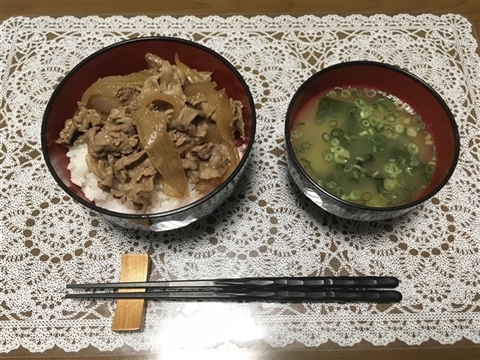
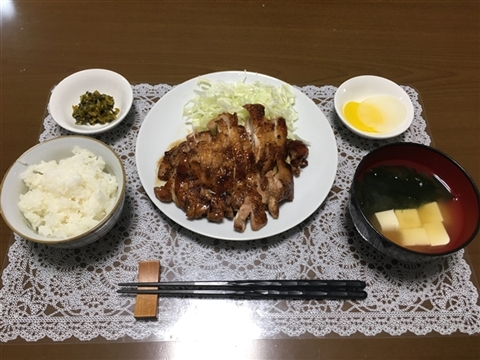
Why I use one benchmark first: changing brands and soy-sauce styles changes saltiness, aroma and color. A fixed first product makes it easier to know whether a recipe worked before experimenting.
Why regular soy sauce works as the first bottle
Kikkoman describes its regular soy sauce as a traditionally brewed, all-purpose seasoning. That makes it a practical benchmark for this site because the same bottle can move through several different home dishes instead of belonging to one recipe.
Where the same bottle appears on this site
| Gyudon | 4 tbsp soy sauce in the current three-serving beef-bowl recipe. |
|---|---|
| Oyakodon | 2 tbsp soy sauce in the current chicken-and-egg rice-bowl recipe. |
| Teriyaki chicken | 2 tbsp soy sauce in the current recipe, together with mirin, sake and sugar. |
| Ramen Anywhere | 15 g regular Kikkoman Soy Sauce in the current beginner shoyu benchmark. |
Those amounts belong to those individual recipes. They are examples of repeated use, not a general soy-sauce ratio.
Do I need light soy sauce, tamari or several Japanese soy sauces now?
No, not to start the recipes above. Japan has multiple recognized soy-sauce styles with different color, aroma and uses. That is useful knowledge later. The beginner problem is simpler: choose one reliable regular product, learn its flavor, and cook several dishes with it before adding specialty bottles.
What regular soy sauce is doing
- Salt: it seasons the dish, but it is more than salty water.
- Aroma: fermentation and brewing contribute a recognizable soy-sauce aroma.
- Color: it changes the appearance of broth, simmering liquid and glaze.
- Savory depth: it supports the overall flavor instead of functioning as a single-note condiment.
Start with one bottle, then cook four different things
Gyudon
Beef, onion, dashi and soy sauce over rice.
Oyakodon
Chicken and egg in a sweet-savory soy-based cooking liquid.
Teriyaki Chicken
A straightforward way to learn what soy sauce does in a glaze.
Ramen Anywhere
The same regular soy sauce moves into a measured beginner shoyu bowl.
The benchmark product
Disclosure: As an Amazon Associate I earn from qualifying purchases. Amazon links below are paid affiliate links.
This is the current benchmark product used by the WellBeingLifeJapan ramen path and linked from several pantry-oriented recipe pages.
No fixed Amazon price is shown because price and availability can change.
Source note
Kikkoman's official product glossary describes its soy sauce as honjozo (traditionally brewed) and suitable as an all-purpose seasoning. Kikkoman's Japanese educational material also distinguishes common dark-colored koikuchi, usukuchi, tamari, shiro and saishikomi styles.

Mitsuhiro Eguchi
I cook and write from Japan. I use firsthand cooking, tasting, measurements, failures and adjustments to explain practical Japanese home food without pretending that one household represents every household in Japan.
About Mitsuhiro