How to Use Hondashi
Use it as a practical dashi tool, understand what it is replacing, and give the same container more than one job.
Hondashi is a convenient bonito-dashi seasoning. I use it when I want the role of dashi in an everyday dish without preparing a separate traditional stock every time. It is useful, but it is not the same thing as freshly extracted kombu-and-katsuobushi dashi.
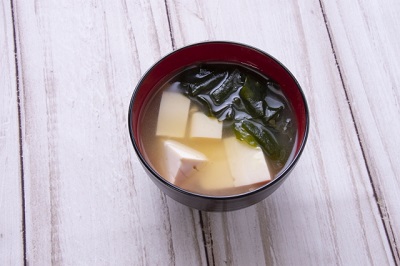

What Hondashi is useful for
On WellBeingLifeJapan, the most useful way to understand Hondashi is not as a single “miso soup product,” but as one practical dashi tool that can move between soups, noodles, rice bowls and simmered dishes.
| Miso soup | The easiest wakame miso soup on this site uses 1 g of dashi granules with 177 ml hot water for one serving. |
|---|---|
| Tofu & wakame miso soup | The larger recipe uses 2 g dashi granules with 354 ml water. |
| Gyudon | The current beef-bowl recipe uses 1 tbsp Hondashi with 400 ml water, plus the recipe's other seasonings. |
| Nikujaga | The current recipe uses 1/2 tbsp Hondashi with 200 ml water, plus soy sauce, mirin, sake and sugar. |
| Curry udon | The current leftover-curry route uses 0.5 g Hondashi or another Japanese dashi with 88 ml hot water. |
Those quantities belong to those specific recipes. They are not a universal Hondashi conversion formula for every dish.
Hondashi vs. traditional dashi
Traditional dashi can be extracted from ingredients such as kombu and katsuobushi. Hondashi is a manufactured seasoning designed to make dashi flavor practical and repeatable. I do not treat them as identical. The useful approach is to understand what dashi contributes, then choose the method that fits the meal and the time you have.
Five places to use it on this site
One-cup Wakame Miso Soup
A measured one-serving route using dashi granules and miso.
Gyudon
Beef and onion simmered in a sweet-savory broth with Hondashi.
Nikujaga
A classic home-style route where dashi supports the simmering liquid.
Curry Udon
Use dashi to turn leftover Japanese curry into a noodle meal.
What about ramen?
After a beginner shoyu bowl works, Hondashi can be a simple way to explore a bonito layer. In ramen, a W soup can combine an animal-based broth with a separately prepared seafood-based dashi. Using Hondashi is a shortcut for experimenting with that direction; it is not identical to making a separate fresh seafood dashi.
Ramen Anywhere: start with the fixed first bowl
Where to buy the product used in this site's pantry path
Disclosure: As an Amazon Associate I earn from qualifying purchases. Amazon links below are paid affiliate links.
Use a product only when a recipe gives you a reason. The point is repeated use, not collecting pantry items.
No fixed Amazon price is shown because price and availability can change.
Source note
Ajinomoto's own cooking content also presents Hondashi as useful beyond one soup, including adjustments, stir-fries and other everyday uses. My examples above are kept tied to the measured recipes already published on this site.
Ajinomoto Park: Hondashi usage ideas

Mitsuhiro Eguchi
I cook and write from Japan. I use firsthand cooking, tasting, measurements, failures and adjustments to explain practical Japanese home food without pretending that one household represents every household in Japan.
About Mitsuhiro