Thinly sliced meat in Japanese recipes
Thin slices cook quickly, absorb simmering sauces well and are easy to handle with chopsticks.
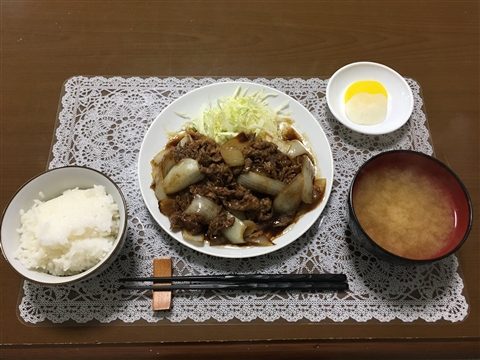
Thinly sliced meat is used in dishes such as gyudon, butadon, nikujaga, sukiyaki and shabu-shabu. Rather than claiming one single cultural reason for the cut, this page focuses on what the thin slices do in the dish: they cook quickly, take on seasoning well and are easy to handle with chopsticks.
Where the cut matters
For gyudon and butadon, I find the thinner the slices, the better the finished texture. Thin pieces also work naturally in nikujaga, sukiyaki and shabu-shabu.
How to get thin slices outside Japan
- Ask a butcher to slice the meat very thinly.
- Partially freeze a block of meat, then slice it carefully while it is firm.
- If you cook Japanese food often, a dedicated slicer can be useful.
Use caution with knives and slicers. A partially frozen block is easier to cut, but it is still easy to slip.
Why it matters in the finished dish
Once you can get thinly sliced beef or pork belly, several dishes on this site become easier to make: gyudon, butadon, nikujaga, shogayaki and yakiniku are good places to start.
Tools for very thin meat
Ad disclosure: As an Amazon Associate I earn from qualifying purchases. Amazon pays me a commission on qualifying purchases made through these links; there is no separate affiliate fee added to your purchase.
Thin beef and pork can be difficult to find in some countries. If you prepare thin-sliced meat often, a slicer makes consistent slices much easier; for occasional use, partially frozen meat and a sharp knife can also work.
These links open Amazon.com search results so you can compare current meat slicer options.